A Brief History of Beal High School
Today, Beal High School is one of the largest mixed comprehensive school for students aged 11–18 in England.
South Park Central School (1908)
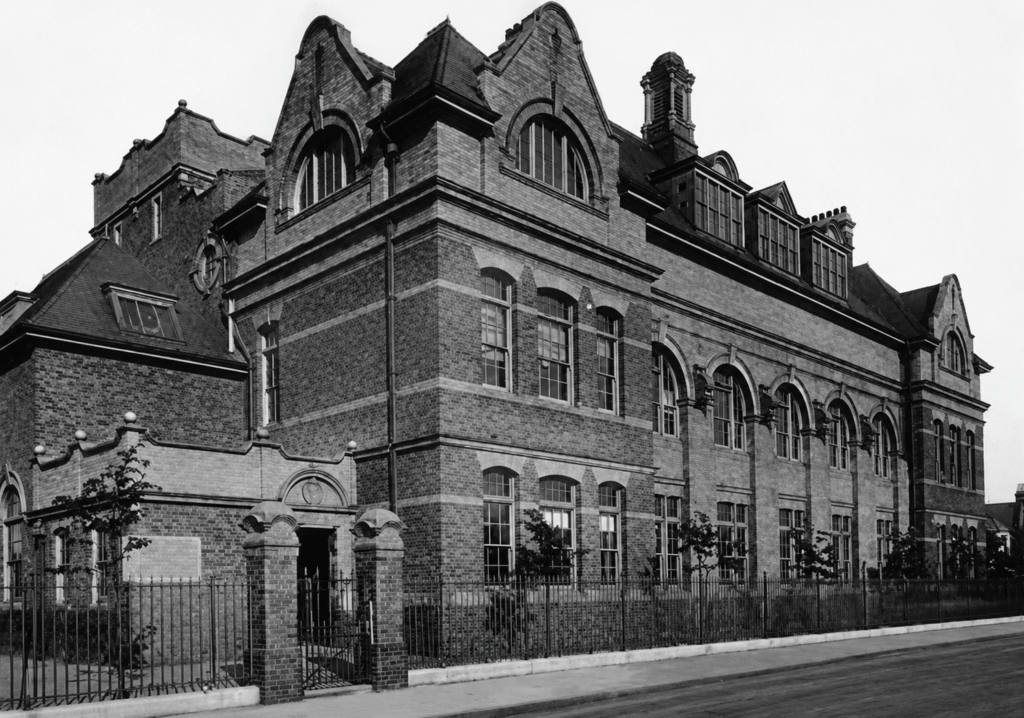
South Park School
Beal’s roots go back to the foundation of a senior department to South Park Central School in Water Lane, Seven Kings which was opened in 1907. In 1908 a Senior Mixed Department opened with 59 boys and 100 girls. Between 1927 and 1930 the building was used for a temporary selective central school. The clamour for better and more education grew and it was agreed to open a new school. South Park school still exists as a primary school on the same site.
Beal Modern School (1931)
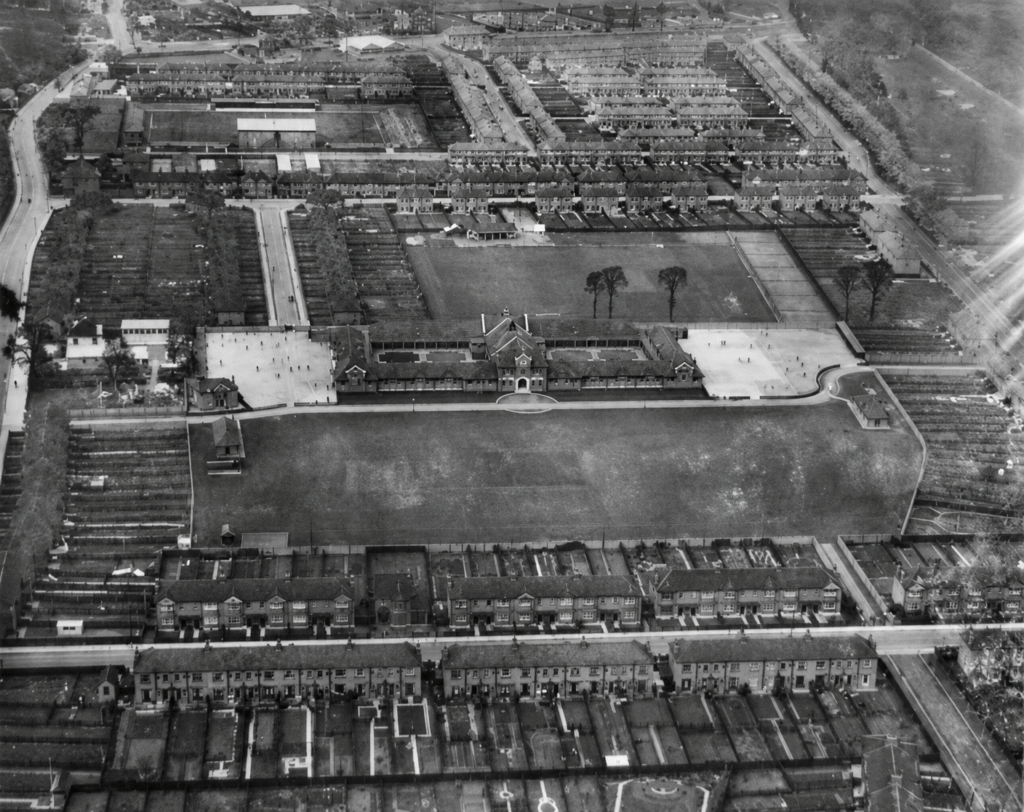
EPW037536 ENGLAND (1932). Beal Modern School (Seven Kings High School), Ilford, 1932
In 1931 secondary students were transferred to a brand-new building in Ley Street (the present Seven Kings High School site) as Beal Modern School. The Boys’ and Girls’ selective schools functioned as separate units, although on the same site.
Beal Modern School was named after Alderman Edmund John Beal (1843 – 1928). He was the owner of a chemist’s shop in the High Road and was destined to play a major role in the civic development of Ilford. He was Chairman of the Ilford School Board from 1890 to 1894, and the first Chairman of the Ilford Urban District Council.
24th August 1931: Opening of the Beal Modern School (in Ley Street, Ilford). (By the Mayor, Alderman H J Odell.)
The Beal Modern School was opened this morning, the pupils, staff and materials having been transferred from South Park Central School prior to the holiday
Beal Modern School on Ley Street (current site of Seven Kings High School)
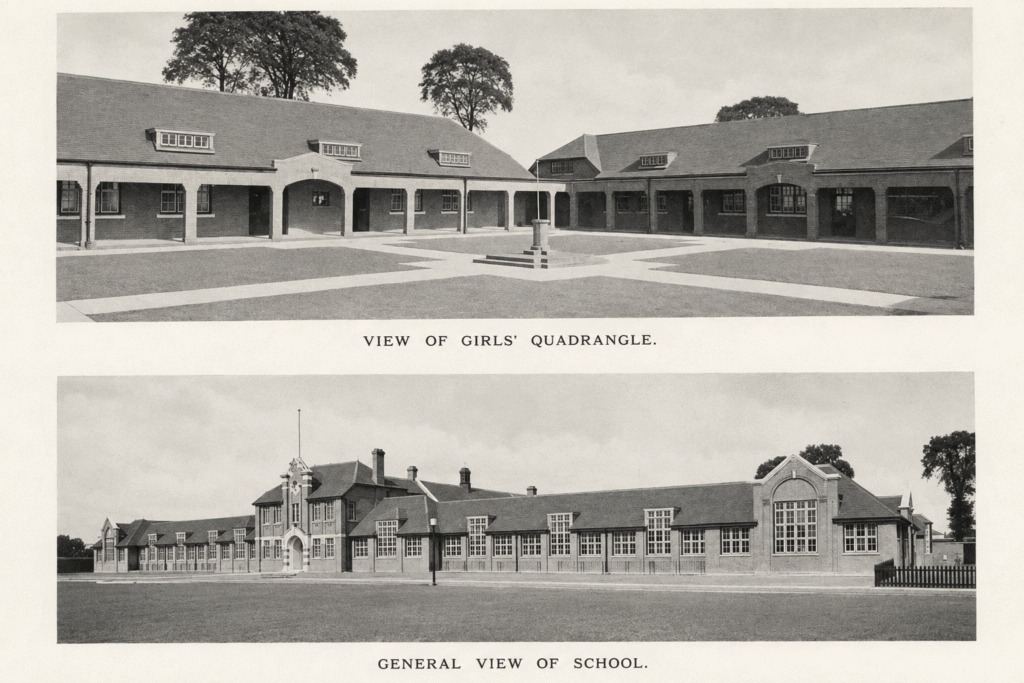
Picture taken from The Beal School Magazine 1932
The girls were allocated the ground floor and the headmistress was Miss J B Atkinson.
The boys were placed on the upper floor and the headmaster was Mr Herbert Goodacre.
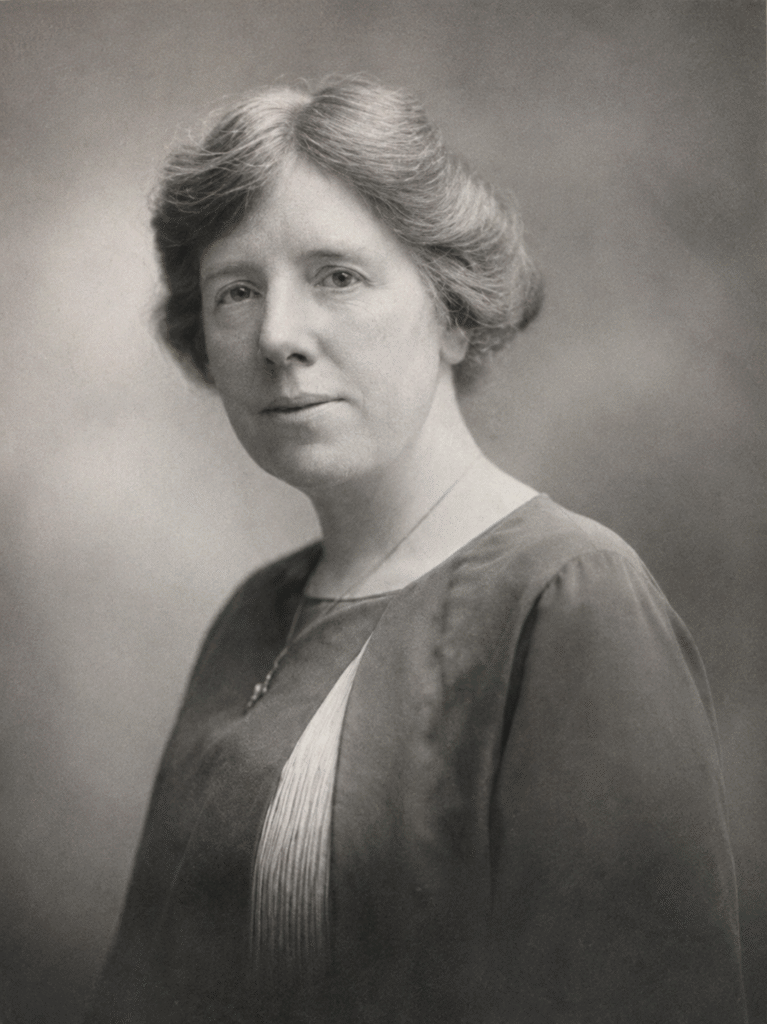
Miss J B Atkinson Headmistress of Beal Modern School
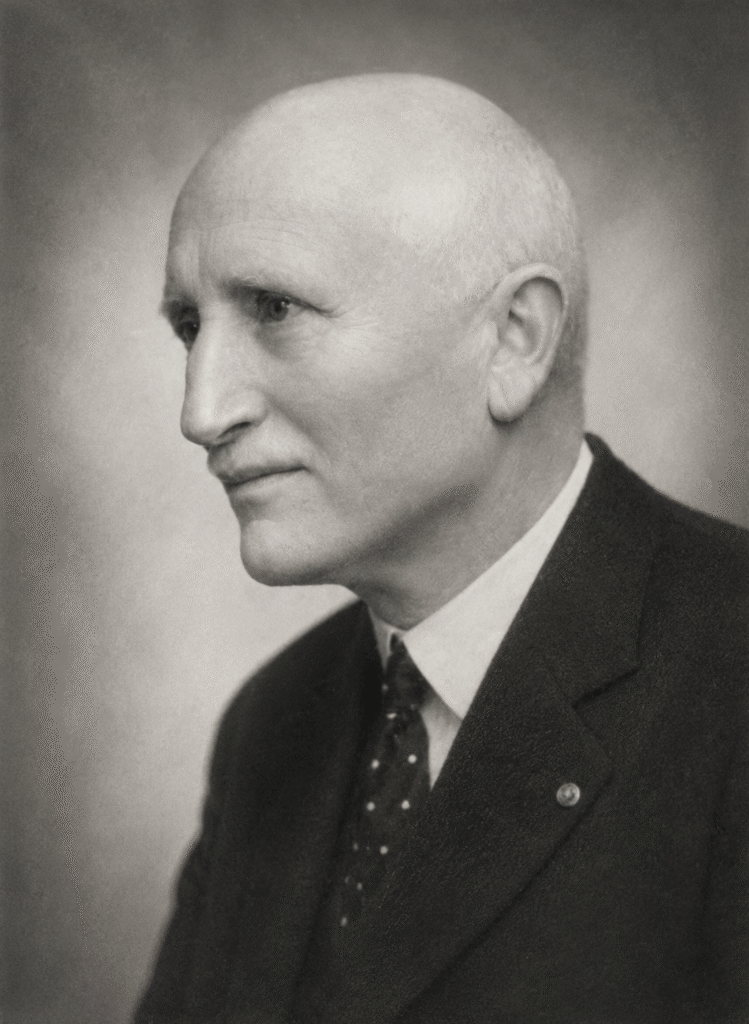
Mr H H Goodacre Headmaster of Beal Modern School (1931 – 1938)
Picture taken from The Beal School Magazine 1932
Uniform
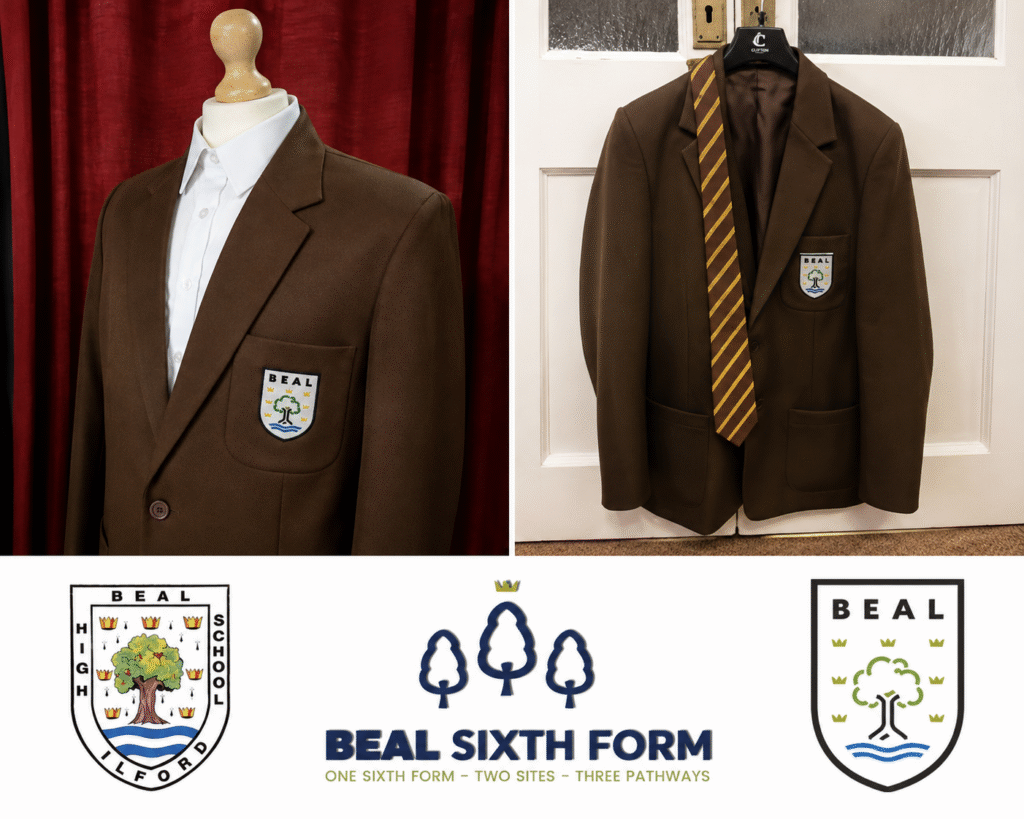
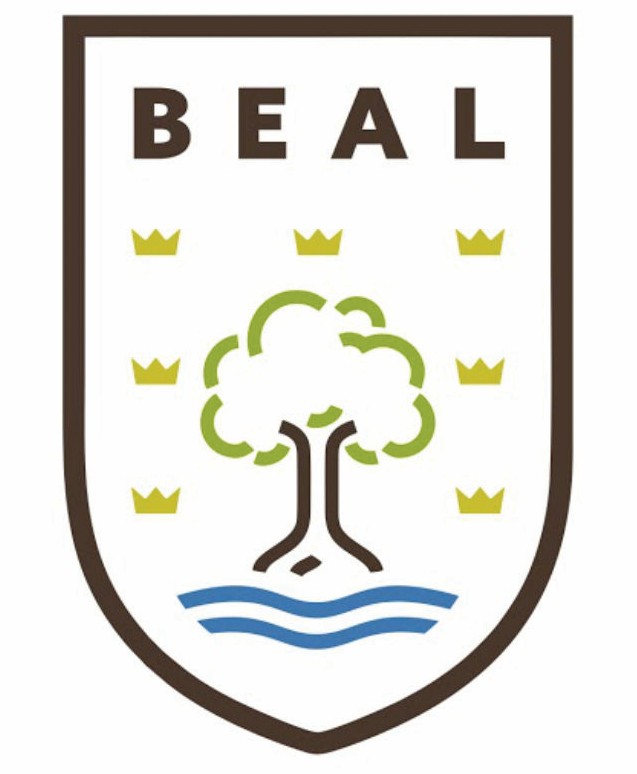
The original Beal uniform of brown and gold also holds a badge on the blazer. This is taken from the coat of arms of Ilford. It contains an image of the Fairlop Oak, a huge ancient tree, said to have stood for over a thousand years. The tree stood on Fairlop plain and every year from 1725 onwards the Fairlop Fair was held around it until it was destroyed in a thunderstorm and blown down in 1820. In 1951, to commemorate the Festival of Britain, the Mayor of Ilford planted a new oak at Fairlop, on the roundabout. If you look again at the badge, you will see seven crowns. These represent the seven Anglo-Saxon kingdoms of England whose kings were said to have held a conference on the spot where Seven Kings’ Station stands. The water at the base refers to the town’s name Ilford. This means ford across the Hyle, the local name for the river Roding.
Back to 1932
In general, the girls and boys were educated separately and were only allowed to mix on special social occasions.
The foreword to the first issue of the ‘Beal High School Magazine’ (1932), written by Mr H. H. Goodacre, F.R.G.S ends:
You have entered into a wonderful heritage. Your privileges are great. See that you use them to the full and not only use them, but by your conduct, your speech, your bearing and by your devotion to duty, demonstrate to the world that you intend to prove worthy of the golden opportunities so generously placed within your grasp.
In 1936 the school was inspected by an HMI, Mr J C Bishop. At this time there were 308 pupils on roll in 9 classes with 2 forms in each of 3 years and three forms in the 4th year. Mr Bishop pointed out the inadequacies of provision for both the boys and the parallel girls’ school, all housed in one building, with playing fields of just 6 acres.
At this time a library did not exist, the medical room being used for this purpose. There was no dining room, nor a gymnasium, and the boys’ and girls’ school shared one laboratory and a hall.
The curriculum included English, History, Geography, French, Mathematics, Science, Art, Handicraft, Music, Commercial Subjects and Physical Training. HMI pointed out the limitations of the school facilities but reported that ‘the spirit of the school is excellent’ and that there were many activities that played a valuable part in the education of the pupils. He was particularly pleased to note that there was a school branch of the League of Nations, which held debates and had lantern lectures. Some of the members of the society had pen friends in foreign countries. He noted, with particular pleasure, that the boys’ school was involved in visits to factories, works and museums on an annual basis and that the stage had recently been equipped for operatic and dramatic productions.
Amongst the visits made by pupils and staff in the 1930s were the following:
- To the Gas, Light and Coke Company’s Works at Beckton
- To the Air Force Pageant rehearsal at Hendon, the journey being made by 4 omnibuses
- To the Science and Natural History Museums, and the London Docks
- To Belgium and France in 1933, led by the Headmaster, to visit a number of the Great War cemeteries and other places of interest
One trip to the Peak District in June 1938, resulted in a freak accident. Kenneth Norman was a pupil in the 1st year. At Mousal head the pupils were disembarking from the coach and Kenneth slipped forward on his head and dislocated his neck. At the inquest at Bakewell a verdict of accidental death was brought in by the coroner and sympathy was expressed to the parents and school on their great loss.
On 2nd December 1938, the Headmaster, Mr H H Goodacre retired. He was succeeded by Mr Walter L Norman, who, in the first year of his headship, would be thrown into the Second World War and the organisation required evacuating the school from London to the Kennylands Camp, Kidmore End, near Reading.
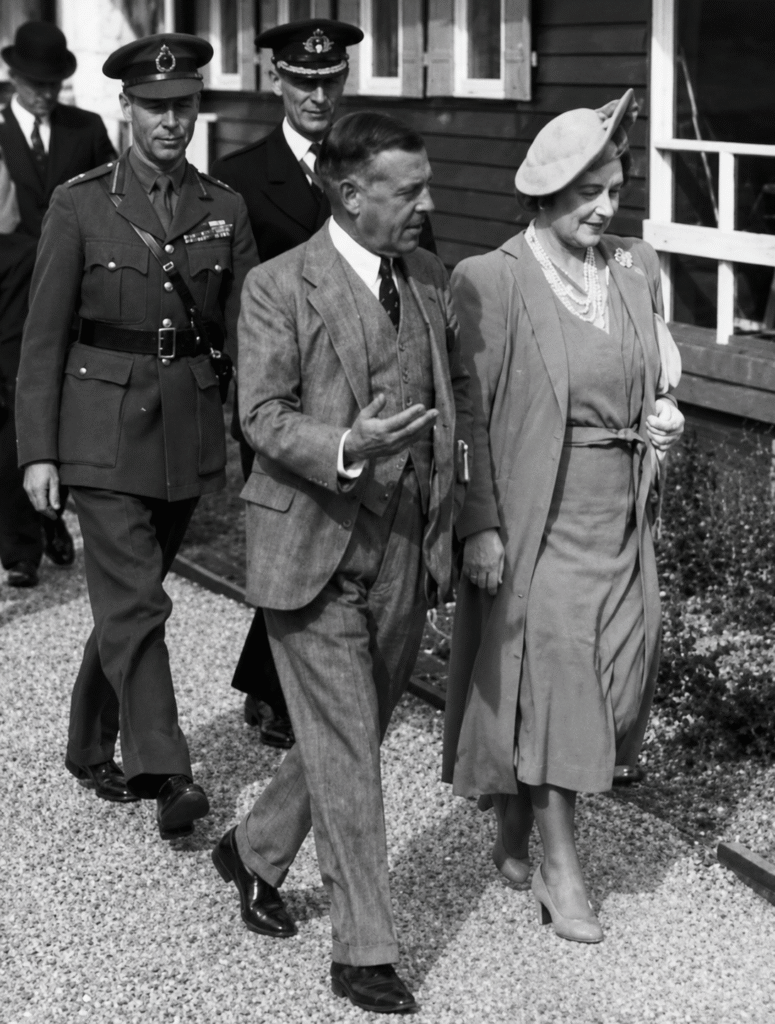
Mr W L Norman Headmaster of Beal Modern School (1938 – 1947), showing the King and Queen around Kennylands Cam
School evacuation during the Second World War (1940)
On 19th February 1940, 182 boys and 12 masters arrived at Kennylands Camp, originally built as a holiday camp for the summer months. They were part of a national scheme to set up camps in several places away from the danger of living in large cities which were the target of Nazi bombers. The camp was comprised of 5 large dorms plus associated outbuildings and of course air raid shelters. A new lifestyle was developed in the camp entirely different from any previous experience that boys had had in school.
Those old boys who spent time at Kennylands remembered such things as evening singsongs, rambles, blackberry picking, cinema shows, drills for fitting gas masks and practical lessons in self-help. On the 30th of September 1940, Kennylands camp had a visit from the Royal family and Even Lord Haw Haw; the German propaganda broadcaster got wind of the camp, making remarks about the poor quality of the fish the children were eating there. The school ran extremely well over the war years, and even much past that
Redbridge Museum have produced this interesting video of Redbridge and the Second World War
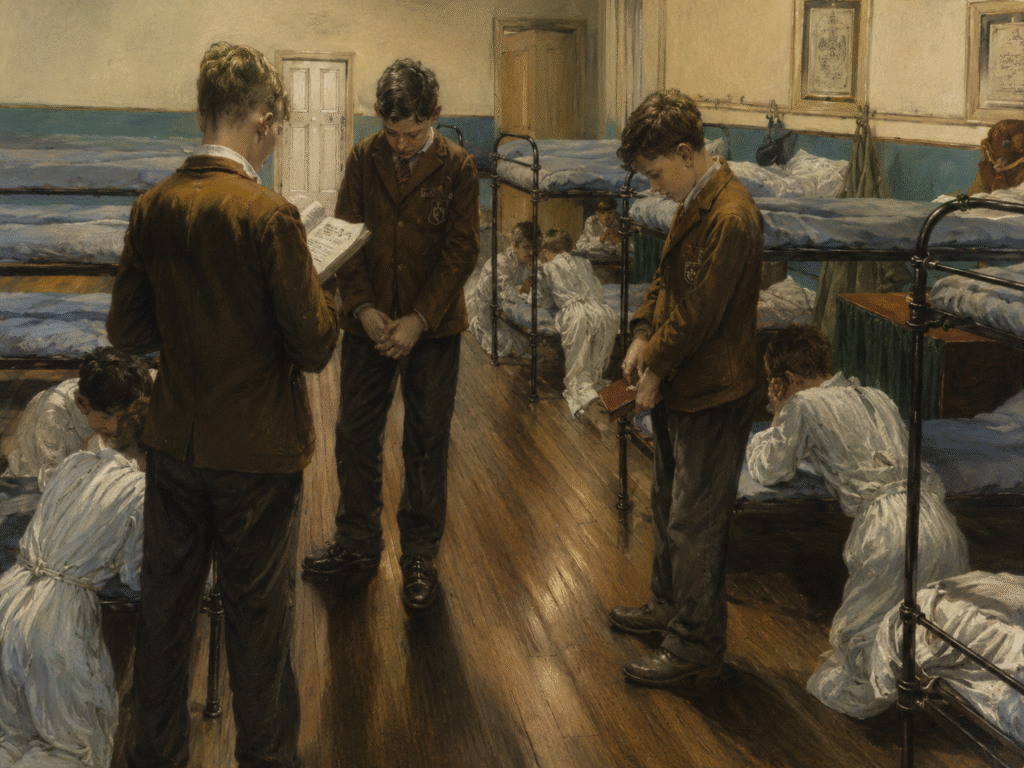
A dormitory at the camp
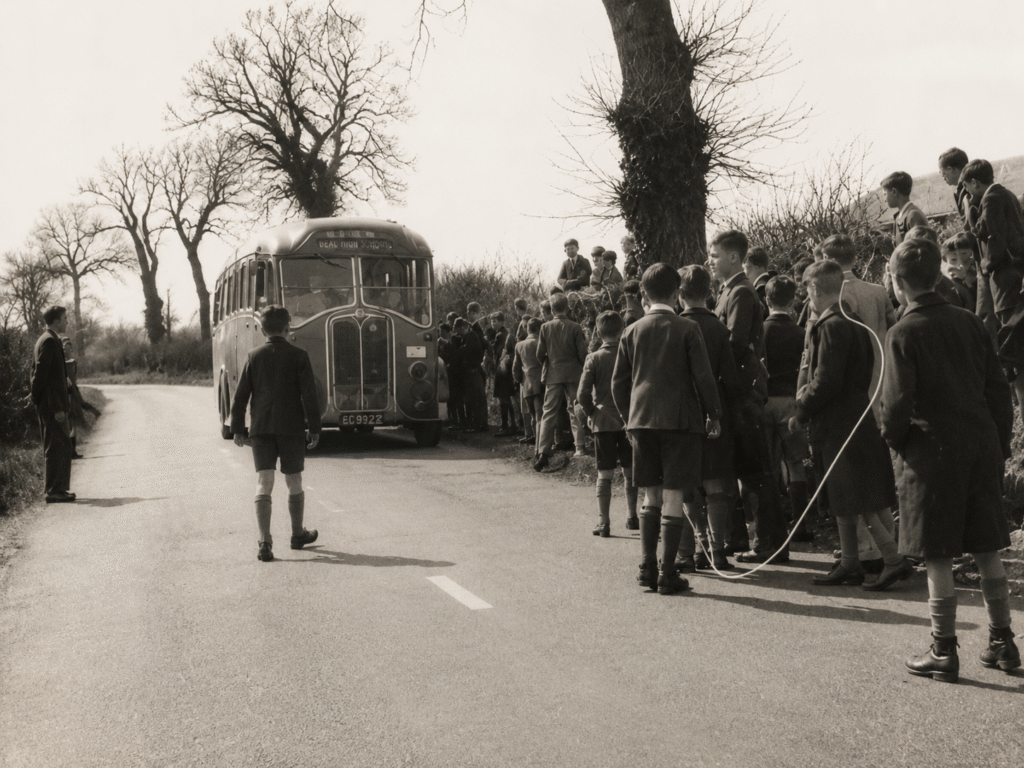
Arriving at camp
As expected, a number of pupils were homesick; there are several recorded cases of boys leaving the camp without permission and invariably they were brought back by their parents or the local police.
There is no record of their diet, but in war time it was probably very basic and there were a considerable number of outbreaks of illness, including German measles, scarlet fever, ringworm, chickenpox, alopecia, and throat complaints.
The school timetable at camp in October 1942 started with breakfast at 8 am, morning school lasted from 8.45 am to 12 noon, lunch was taken from 12 noon to 1 pm and school ended at 3 pm.
Despite the strains and stresses of running a camp in war time at least one member of staff found time for romance. Mr Finch courted the daughter of the Camp Manager and married Miss A Mee in January 1942.
The King and Queen visit Kennylands Camp (1940)
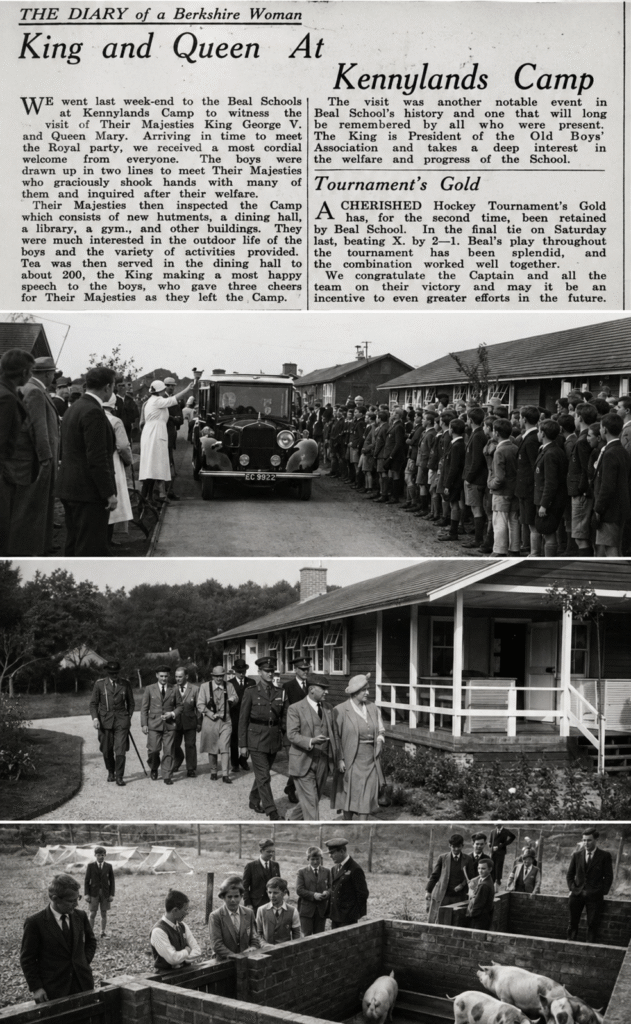
Reading Chronicle Collection,
Reading Museum (Reading Borough Council)
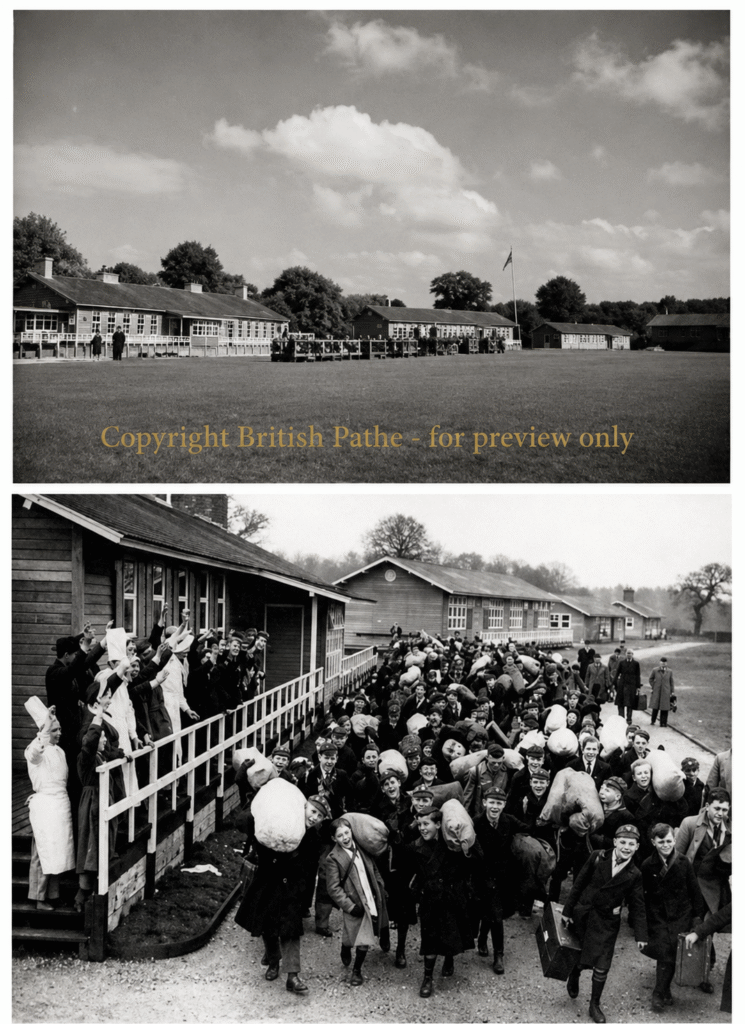
Leaving camp
When war ended in Europe in May 1945, the parents expected pupils to return to Ilford, but their hopes were dashed as the school building could not be released immediately by the Air-raid Precautions Controller. The Civil Defence finally left Beal School in July 1945, but the children had to remain at the Camp for their schooling until Christmas, because the building needed renovation.
It should be noted that during the war the site of the current school at Woodford Bridge Road was being used as a POW camp for Italian and German soldiers.
School reopens in 1946
On 7th January 1946 the school re-opened in Ilford. There were just 22 candidates for the Oxford School Certificate Examination – 14 passed and 4 gained matriculation exemption.
In September 1947 the school roll was 314. A clerk, Miss D Brooks, was appointed to help the Headmaster and Headmistress. At a time when the requirements for schools to complete forms and paperwork were quite limited her appointment was mainly in connection with the administration of school meals and milk for the pupils. For the first time the school received a language assistant, Mademoiselle Raffali, from Corsica, who was appointed to help the boys with their French conversation.
In November 1947 the Headmaster, Mr Walter L Norman retired after 43 years’ service in Ilford schools. His outstanding service to the school in the war years marks him out for special distinction. It appears he had considerable help from his wife in looking after the pupils at Kennylands Camp. The records show he was also a great enthusiast for sport and did much to make Beal a formidable opponent in all sports’ competitions, both in Ilford and Essex.
His successor was Dr Elvet Lewis, who commenced duties as Headmaster on 5th November 1947.
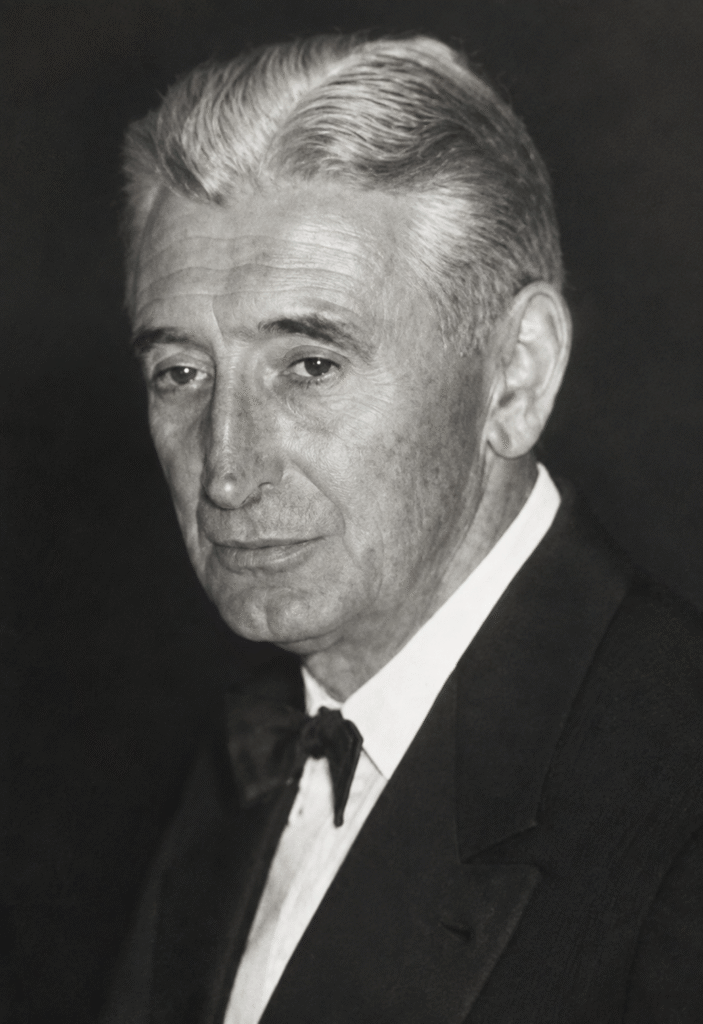
Dr Elvet Lewis
Headmaster of Beal Modern School/Beal
Grammar School for Boys (1947 – 1969)
Beal Grammar Schools (1948)
As a result of a good report in a General Inspection in 1948, the Boys’ and Girls’ schools became the Beal Grammar Schools, one for boys and one for girls. Dr Lewis was by training a chemist and he did much to raise the standards of science teaching in the new school.
Beal Grammar School for Boys moves to Woodford Bridge Road (1957)
In 1957 Beal Grammar School for Boys moved to the present Woodford Bridge Road site with Beal Grammar School for Girls remaining on the Ley Street site. The reputation of the school for sound exam results grew considerably in this time. The development of science continued apace in the new school and many pupils went on to be first class doctors, dentists, and veterinary surgeons, amongst other professions.
Dr Lewis retired in October 1969. By this time the school had doubled in size, with a school roll of 644.
In 1969 Mr M J Manuel was appointed Headmaster to replace Dr E Lewis, taking up his duties in January 1970. Prior to this appointment Mr Manuel had served as Senior History Master at Hull Grammar School for Boys. The new Headmaster inherited a well-disciplined school, with a sound reputation throughout the area for good examination results. The school had also built up a tradition for the presentation of school musicals reaching a high standard. The origins of this go back to Mr Gilbert Miles’ (later to become Chief Education Officer of Redbridge) fine production of the ‘Mikado’ in 1935.
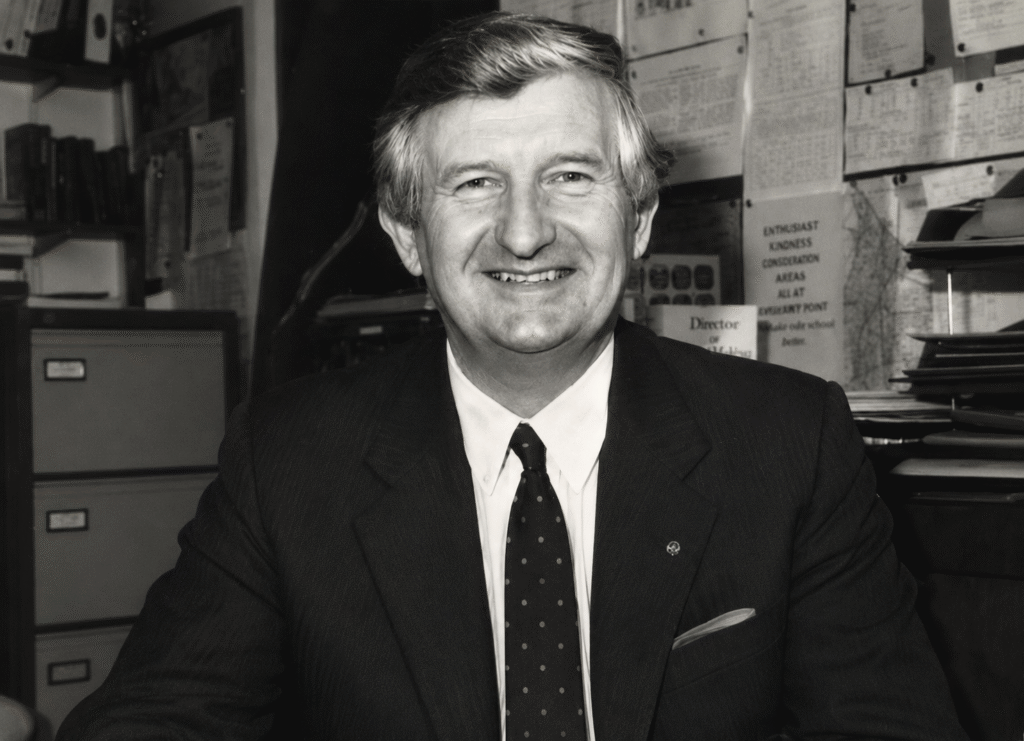
Mr J Manuel
Headmaster of Beal Grammar
School for Boys/Beal High School
(1969 – 1995)
In January 1972 the future of the school was in the balance. The Education Committee considered a proposal that Beal Grammar School for Boys be re-organised to become a third grammar school containing boys and girls to balance the single-sex grammar schools of Ilford County High School for Boys and Woodford County High School for Girls. However, this proposal was defeated, and plans were drawn up to re-organise Beal as a comprehensive school, commencing with a new intake in the first year in September 1976. In preparation for this Mr Manuel visited a whole range of comprehensive schools in Hull, Harrogate and Essex, particularly acquainting himself with the organisation and option system for fourth- and fifth-year pupils.
During the next twenty years the school was to grow from 640 pupils to 1089. As the school organisation grew more complex the number of deputy heads trebled. When Dr M Ford was promoted to a headship in March 1973, Mr Ivor Chapman succeeded him as Deputy responsible for the compilation of the timetable (and many other things besides). Mrs Denise Arnold (who became Mrs Carr in 1989) was appointed as Second Deputy in 1976 (when girls first joined the school) and in 1991 Mr Richard Fishleigh was promoted from Senior Master to Third Deputy, with special responsibility for assisting the Headmaster in control and management of the school budget, in liaison with the School Governors
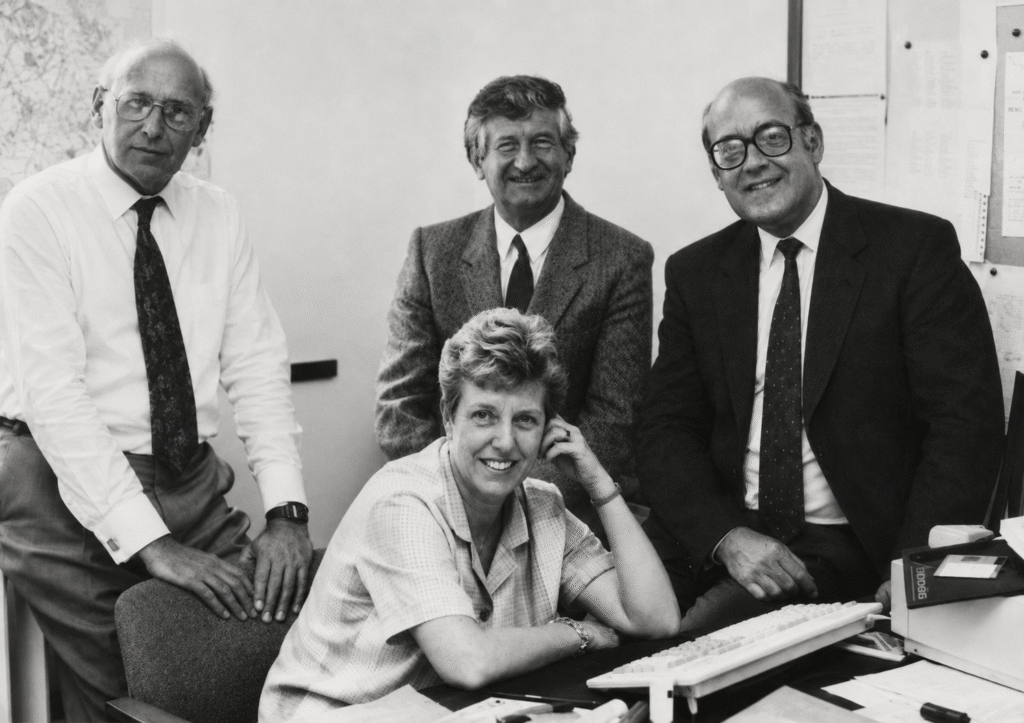
In addition to the growth in the number of Deputies, a number of Senior Teachers were appointed to join the Senior Management Team – Mr Ron Oldham, Mr Ron Brandon, Mr Ian Shaw and Mr David Perry.
In the 1970s and 1980s, under the determined leadership of the Musical Director, Mr Geoffrey Timms, Beal gained an outstanding reputation for the quality of its music.
Meanwhile the school was growing, with additional buildings being added. In 1973 the History and Geography rooms were completed at the front of the school. In October 1975 a pavilion was built at a total cost of £10,500, the money having been raised the successful liaison of school, staff and parents over a number of years.
In November 1973 HMIs Gordon and Ounstead visited Beal and gave the school a good report, with one major criticism, that it was felt a far greater use of visual aids was needed about the school to stimulate pupils’ motivation, but they were very impressed by the courtesy, sound exam results and positive attitudes of the boys.
On 13th September 1974, the School Caretaker, Bill Bentall died after 26 years of service. He had had the distinction of being ‘dropped’ at Arnhem in 1944, having reached the rank of RSM with the famous ‘Red Berets’.
Mr P. J. Mills, who joined the school as a newly qualified History teacher in September 1974, and left as an Assistant Headteacher in May 2017, some 43 years later wrote of his memories of the school when he joined. He seemed to particularly dislike the spam fritters that were served every Monday and added that during lunchtimes the staff sat in the dining hall with the students and grace, (a prayer of thanks), was said prior to meals. He described punishment as ‘VERY strict! When Beal was a grammar school recalcitrant boys were caned by the Head or Deputy Head teacher.’ Assemblies were said to be a very ‘formal affair with staff wearing academic gowns. The assemblies included a hymn (that few sang), and a story linked to a biblical reading. Gatherings for other faiths were held elsewhere in the school.’
In 1976 the comprehensive wing was completed to the west of the school, providing new facilities for Art, Music, Commerce, Home Economics, and a number of other teaching rooms.
Beal High School (1976)
1976 proved to be a difficult year, as the Headmaster and all members of the old grammar school were required to apply for similar posts in the new comprehensive school. Mr J M Manuel was appointed as the Headmaster of the comprehensive school, there having been 47 applications for the post, 4 of whom were short-listed. All other members of staff were also appointed after formal interviews.
On the 2 nd of September 1976 girls walked through the gates for the first time to join the school in the first year
In 1977, a Staff Consultative Committee were formed, comprising 4 to 5 members of the staff room to meet regularly with the Headmaster and senior management. At the same time regular meetings were held for Heads of Department to consult with the Headmaster on school policy, plus 6 full meetings of the staff each year.
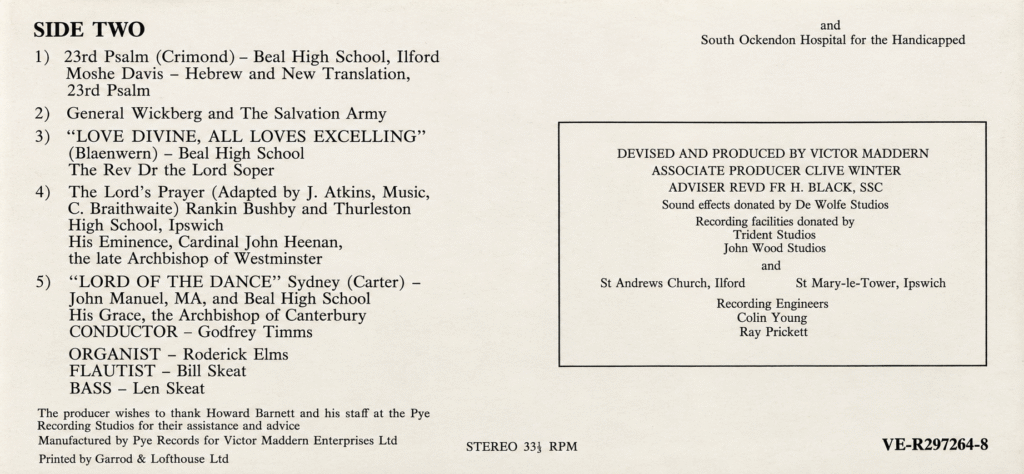
In February 1979 the school choir was invited to participate in making a record entitled ‘’Just for Today’’. The leading light behind this enterprise was Victor Maddern, an old Bealonian and an actor of some fame, who remembered well his days at the Kennylands Camp near Reading during the second world war.
Beal High School (1982)
By 1982, Beal High School had become fully comprehensive. The transition had started in 1976, with the first comprehensive entry, and when the first girls arrived at the school.
For five days from 29th November to 3rd December 1982 the school received a full General Inspection by eighteen HMIs, led by HMI David Sharman. Beal was one of the first schools in the country to receive a Report published for all to see – a new departure in educational practice.
In September 1983 the school purchased its first computer. Over the past eight years a revolution has taken place, with a highly organised school office using a complex computer network, a computer department teaching computing skills throughout the school, and all departments having access to modern technology.
1984 was a sad year for Beal in that four pupils died – Sirjana Dhesi, Heather Saunders, Simon Steel and Stephen Taylor. Two from natural causes and two from road accidents.
In the mid-1980s the school was aware of being under-funded in terms of money required for buying textbooks. The Headmaster and a number of other senior colleagues wrote several letters to the Prime Minister, the Secretary of State for Education and the local MP, Mr Patrick Jenkins, asking them to do all they could to improve funding for British education. During this period of industrial unrest the school maintained the high quality of education but there were problems in recruiting new teachers in specialist subjects, including English, Maths, CDT, Modern Languages and the Sciences.
On 25th January 1990 very severe gales of 90 mph occurred: part of an annexe roof was almost ripped off and two windows were blown in.
At the end of March 1991, the school completed its first year of having a delegated budget and was in credit for £60,000. A Financial Committee had been formed of Governors who were to oversee the budget of over £2,000,000 per year.
In 1992, the Headteacher, Mr J Manuel wrote in the school publication, Genesis, about the way in which school life was being adversely affected by the sheer pace and intensity of educational reforms, making the point that the Department for Education needed to ‘go slow’ on the introduction of further reforms. He also wrote in the summer of 1993 that it appeared ‘that the National Curriculum testing arrangements are on the verge of complete breakdown’ and wrote of the boycott of testing, by the vast majority of teachers, throughout the country.
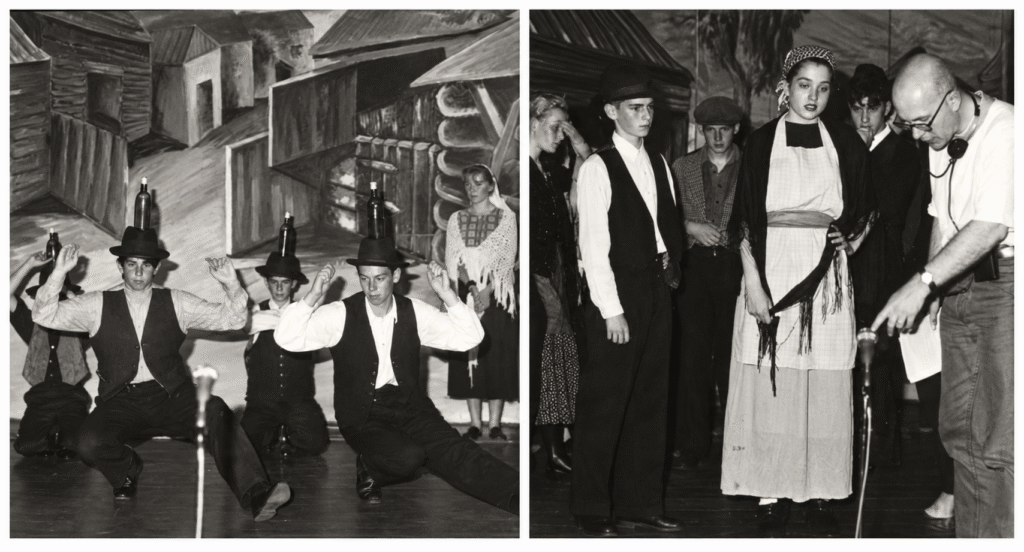
Beal’s production of Fiddler on the Roof, directed by Mr P Mills, was presented in July 1992. It was an exuberant musical showing the disasters and dreams of the people living in an impoverished village in Tsarist Russia in 1905. Coincidentally in October of that same year twenty or so pupils from Beal took part a trip to Russia, accompanied by various staff members.
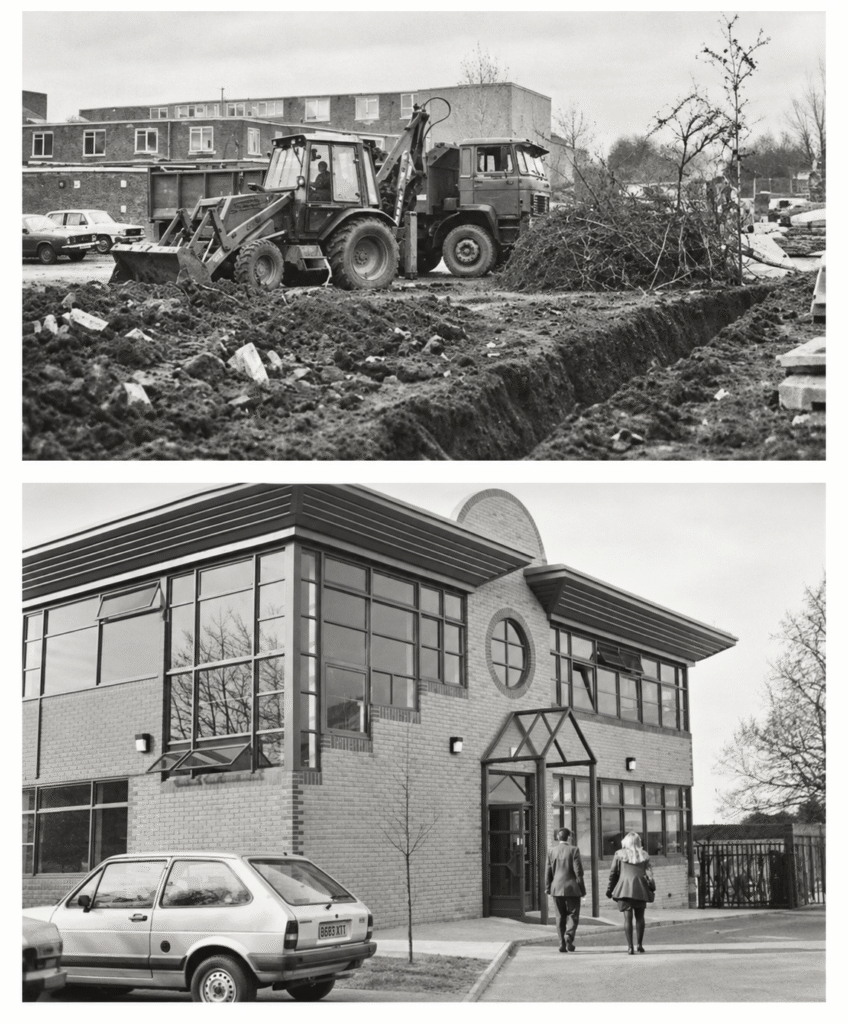
In 1993 there was the first change to the senior staff since 1976 as Mrs Denise Carr left after 17 years’ service to assume a managerial position in the family farming business on Foulness Island. In that same year the annexe huts at the front of the school were finally replaced with a new teaching block, opened by the Mayor of Redbridge in October of that year. The total cost of the building was met by the Local Authority. Further money was used to extend the dining hall, which meant that teachers would have their own dining area. The new teaching block housed six classrooms, with five used for teaching English and one for Geography.
In 1994, according to The Sunday Times State School Book, Beal High School had 1,133 pupils on roll with 213 in the sixth form and a complement of 76 staff, 34 men and 42 women. The guide mentions the school motto, Faire sans dire (Deeds without words) and describes a rich heritage of playing fields covering 28 acres and a longstanding reputation for music, annual musicals, and the Duke of Edinburgh Award. It goes on to say:
In a multicultural school, pupils and staff are committed to a policy of equal regard for all. The school enjoys a reputation for academic excellence in Redbridge and beyond.
Alumni mentioned in the 1994 entry include Victor Maddern, actor, Barry Hearn, boxing promoter, Barry Kyle, theatre director and Kevin Tillett, singer.
The approach to discipline is described as follows:
The school has a firm but friendly atmosphere. Heads of year work closely with form teachers to ensure that pupils’ behaviour is of a high order.
In 1995 Mr Manuel retired and Ms S Snowdon became Headteacher.
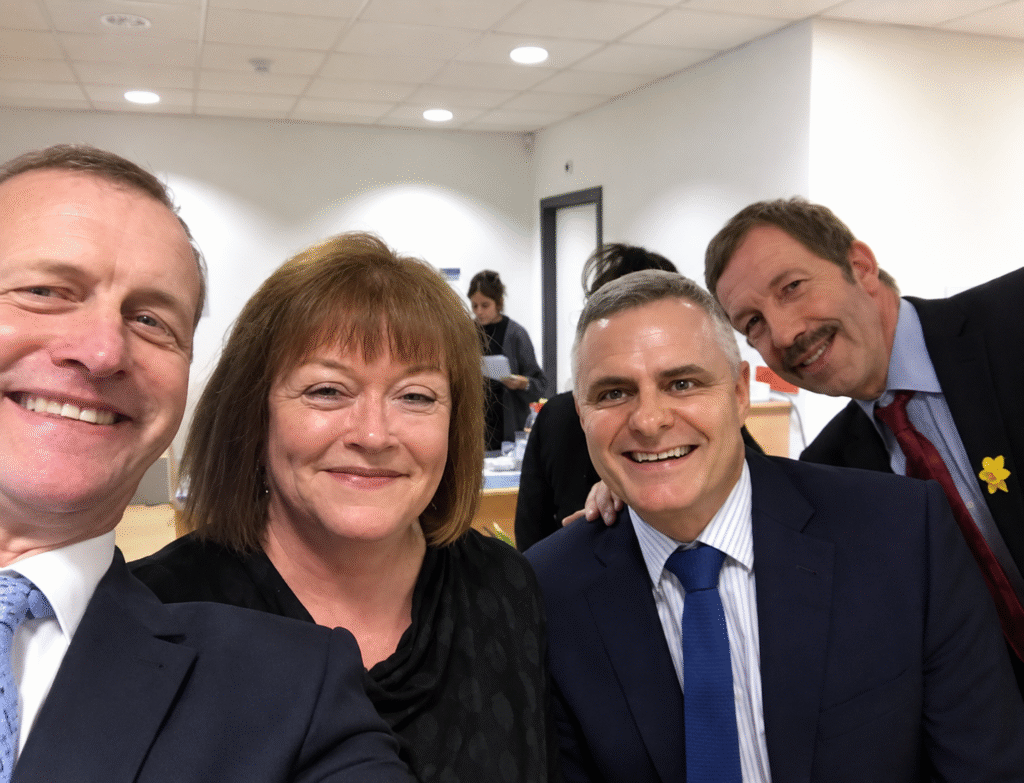
Ms S Snowdon
Headteacher of Beal High School
(1995 – 2016), with members of
her senior leadership team
A further transition took place in the life of Beal High School in 1997 when, as a result of the shortage of secondary school places in the London Borough of Redbridge, Beal High School expanded from 6 forms of entry (180 students per year group) to 8 forms of entry (240 students per year group).
As a result of the need to accommodate extra students, an enormous building programme took place. Not only were new classrooms built, but also extra specialist facilities: Drama Studios, Science Laboratories, a Library Resource Centre, Information Technology rooms, sixth form facilities, a new administrative area and expanded dining hall. In addition, the building programme was utilised to provide refurbished suited accommodation for all departments and to improve the circulation of students around the school.
In April 2007, a new ‘Media Factory’ was opened, to accommodate the school’s new status as a Media Arts College. This new building consists of three media studies classrooms, a radio station, and a drama studio.
In 2010 a new Sixth Form Centre was opened containing classrooms, private study rooms with IT facilities, a common room and café.
In 2013 Beal High School expanded from 8 to 12 forms of entry. To accommodate the extra students, a new building was constructed. This opened in September 2014 to provide an additional 72 classrooms including three ICT suites, sports hall, dance suite, fitness suite, and specialist teaching rooms for Science, Food Technology, Design Technology and Art.
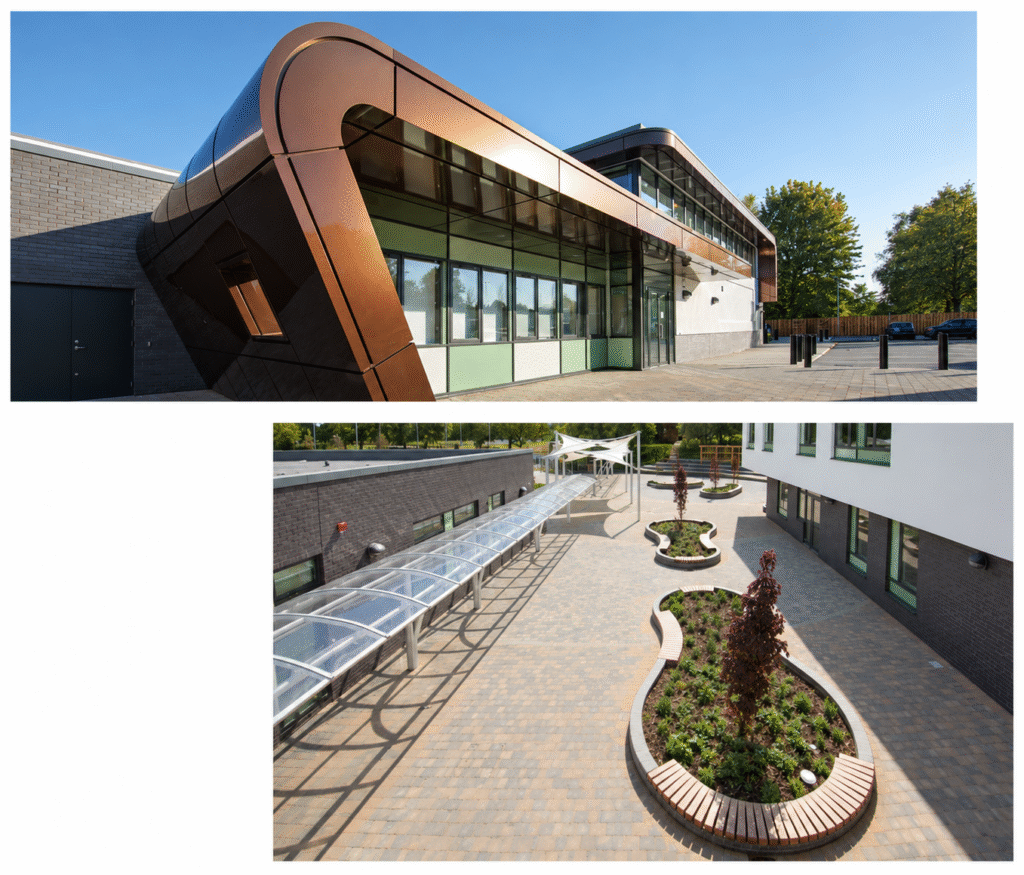
Beal High School (2014)
On 1st February 2014 Beal High School became an academy having previously been a Local Authority maintained school. It was the founding school of the Beacon Academy Trust, which also comprises of Forest Academy, Beacon Business Innovation Hub (BBIH), an alternative provision ‘free school’ and NELTA an accredited provider of initial teacher training.

In April 2016 Ms S Snowdon retired and Ms T Wilmot became Principal having been Associate Headteacher since 2011.
In 2018/2019 there was a merger of the Beal High School and Forest Academy sixth forms with the formation of Beal Sixth Form. This provides a wide range of courses across both school campuses.